


Main Content
Signaling in bacterial infections
Research addressing the basic molecular principles of signal transduction in bacteria uncovers the regulatory details of chronic bacterial infections.

Bacteria can rapidly adapt to their surroundings through the ability to sense and respond to different environmental conditions. This allows bacterial pathogens to successfully persist in human and animal hosts. For this, bacteria have developed sophisticated mechanisms to circumvent the immune system and tolerate high doses of antimicrobials.
Signaling molecules for global control
Cyclic nucleotides are important signaling molecules that can globally regulate cellular processes in minute concentrations. Bacteria use these signaling devices to assemble into multicellular consortia, so-called biofilms, which help them to survive under adverse and stressful conditions. We are interested in how these signaling molecules are produced and degraded, and how they contribute to persistence and drug tolerance of pathogens and thus to chronic infections of the human host.
Bacterial persistence leads to chronic infections
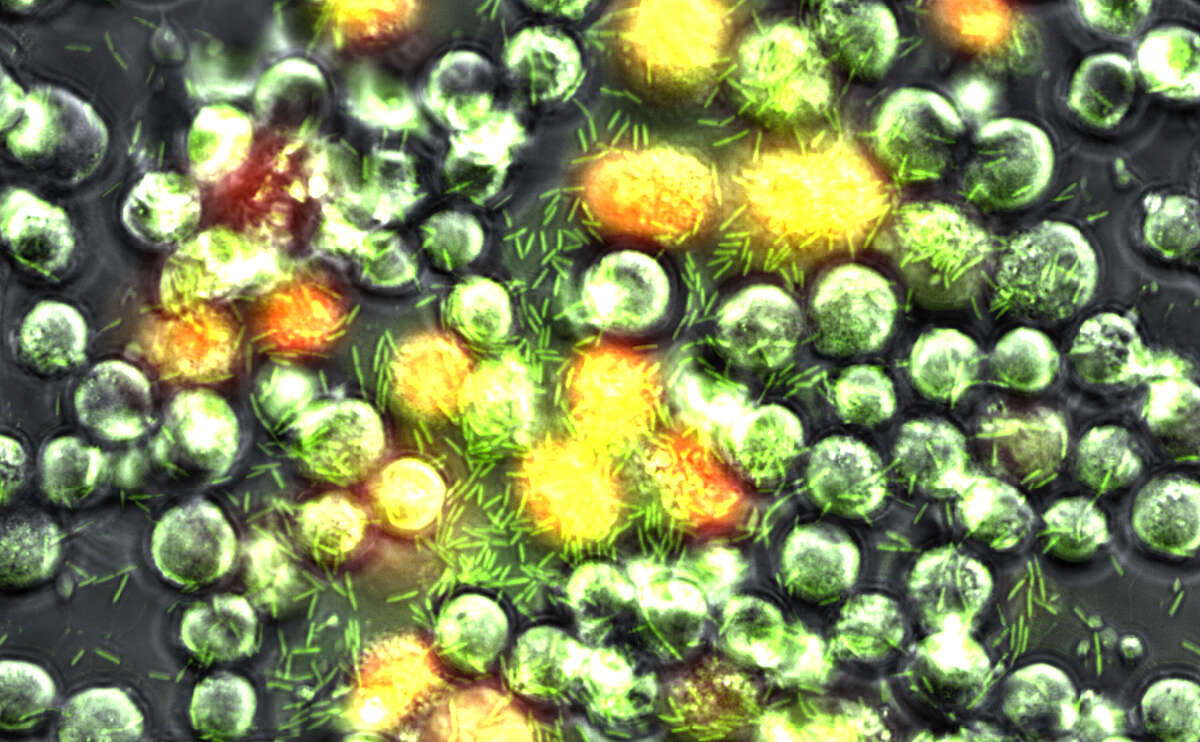
We would like to understand the molecular basis of chronic bacterial infections in humans. To this end we are focusing on pathogenic Escherichia coli bacteria that cause recurrent urinary tract infections and on persistent Pseudomonas aeruginosa lung infections of patients with cystic fibrosis.
Regulatory networks as attractive target structures
Our studies aim at contributing to a more targeted approach to counter chronic infections in humans. Components of regulatory networks that contribute to bacterial persistence represent attractive target structures for novel antimicrobials against chronic forms of infections.