



Main Content
Gene expression regulatory programs
Our group studies how gene expression, the conversion of genes into proteins, is regulated when stem cells differentiate, when organisms age and when diseases such as cancer develop.

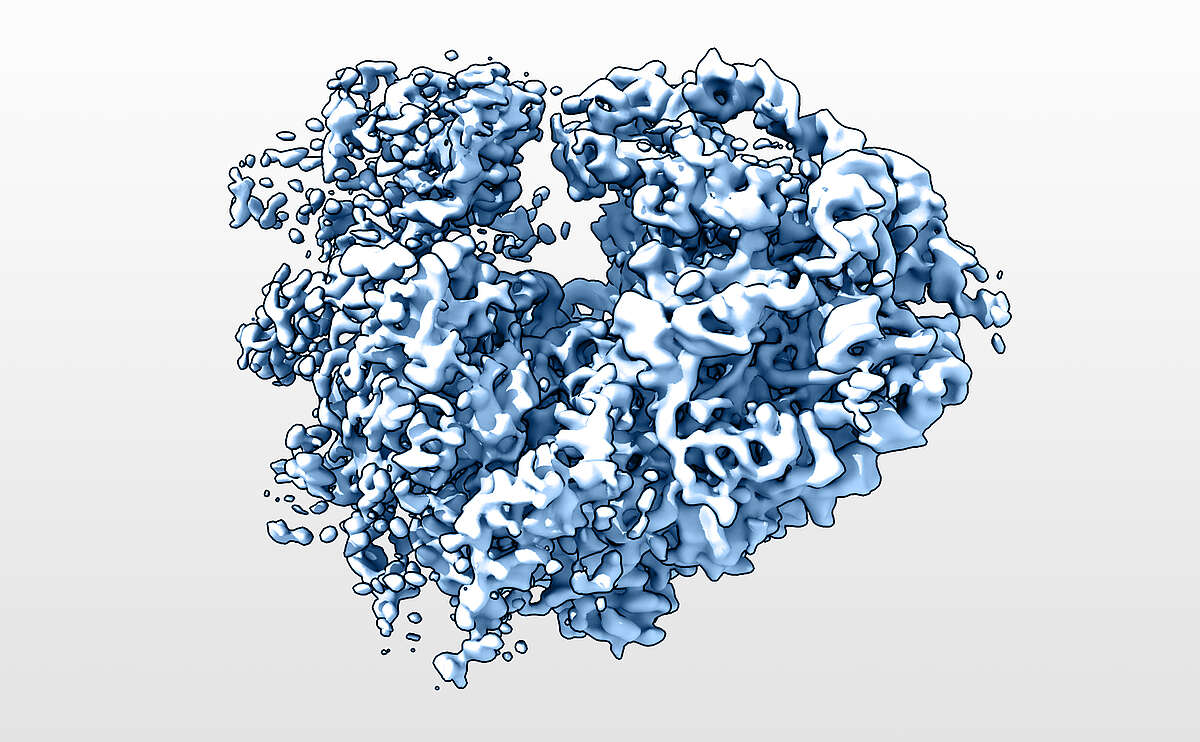
Although the genetic material is more or less identical in all cells of our body, which genes are being “read” and how they are read to produce RNAs and proteins varies between cell types. Among the many steps of this gene expression process, we are interested in those that have to do with the processing of RNAs and the synthesis of proteins of the template of messenger RNAs.
Cell type-specific programs of RNA processing and protein production
Gene expression is a complex process, starting with changes in the chromatin state, the basic material of the cell nucleus, going through the synthesis and processing of precursor messenger RNAs (pre-mRNAs), export to the cytoplasm, translation into protein and finally degradation. In human cells, all of these steps are subject to regulation, so that the output of individual genes is modulated from cell to cell and in response to various signals. Our group has identified factors responsible for general patterns of RNA processing in specific cell types and conditions, leading, for example, to shorter mRNAs encoding specific proteins in cancer cells. We have further identified factors that underlie the perturbed expression of proteins as cells undergo malignant transformation or as organisms age.
The systems biology approach
To decipher the regulatory code of gene expression across cell types and identify the factors that drive pathogenic processes, we develop and apply methods to globally measure the abundances of RNAs, proteins and various modified variants thereof in different tissues, up to the resolution of individual cells. We analyze the resulting data sets with computational models, to identify signals and factors that drive observed changes in gene expression.
Regulation of gene expression in health and disease
The processes that we currently study are stem cell differentiation, organism aging and cancer. At the molecular level we focus on two aspects: generation and function of mRNA variants and mechanisms responsible for the modulation of protein synthesis from different mRNAs in various conditions. We want to identify mRNAs and proteins that are specific to particular cell types, whose expression changes as we age or as cells undergo malignant transformation. These mRNAs and proteins as well as the factors responsible for their production may provide leads for new therapeutics for aging-associated diseases or cancers.